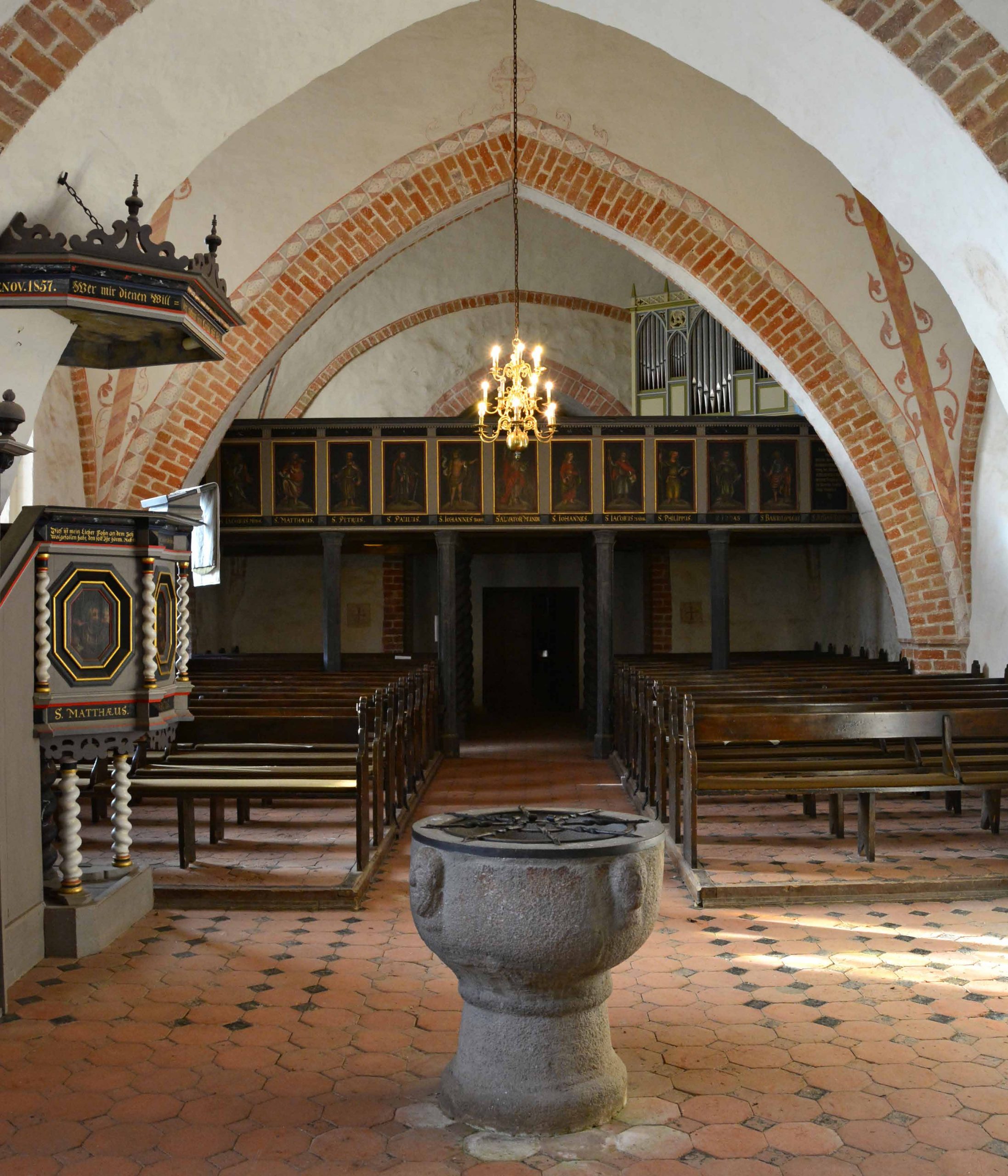
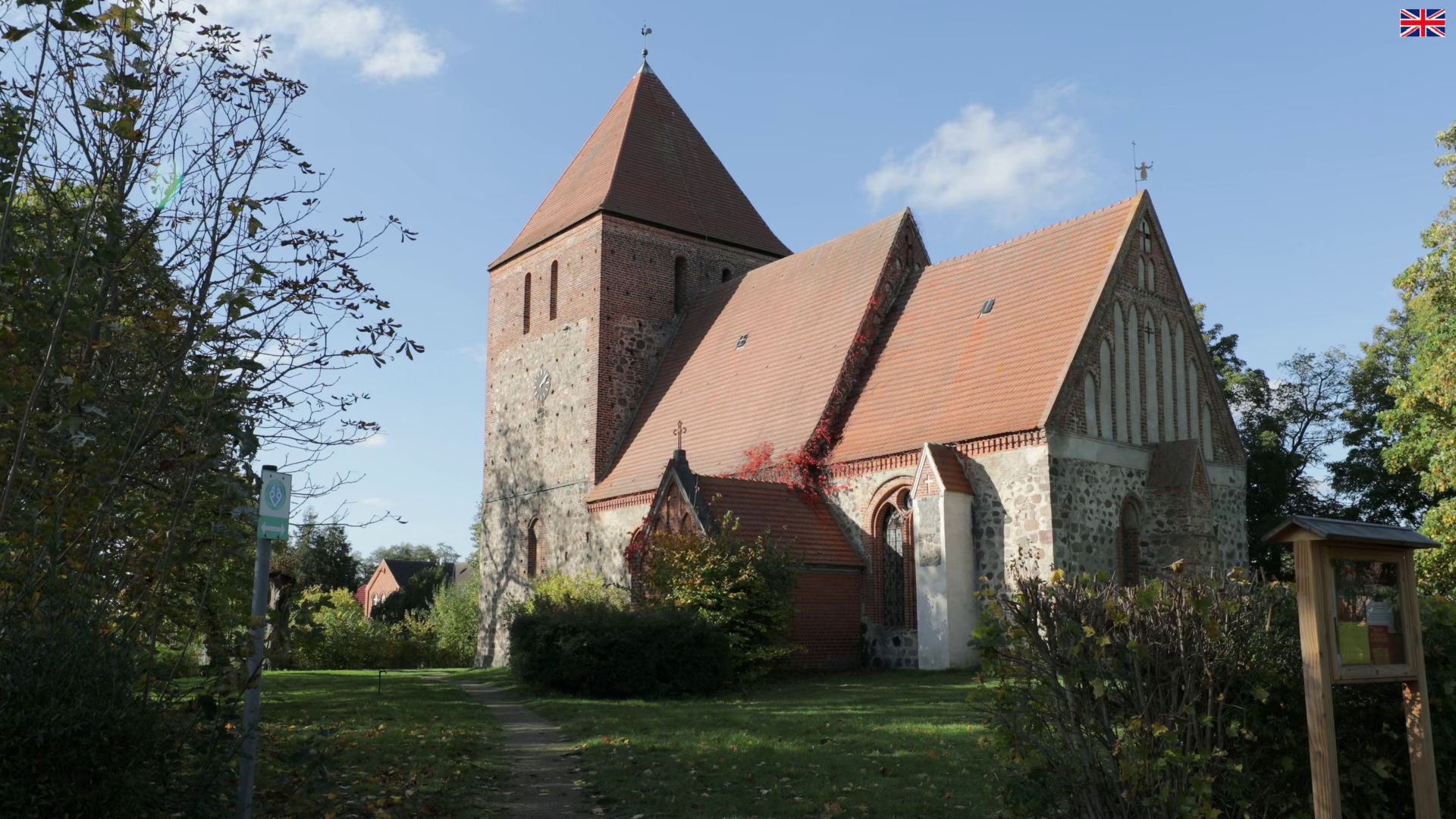
The fieldstone church of Groß Gievitz dates back to the transition from Romanesque to Gothic style in the 13th century. It was first mentioned in 1267.
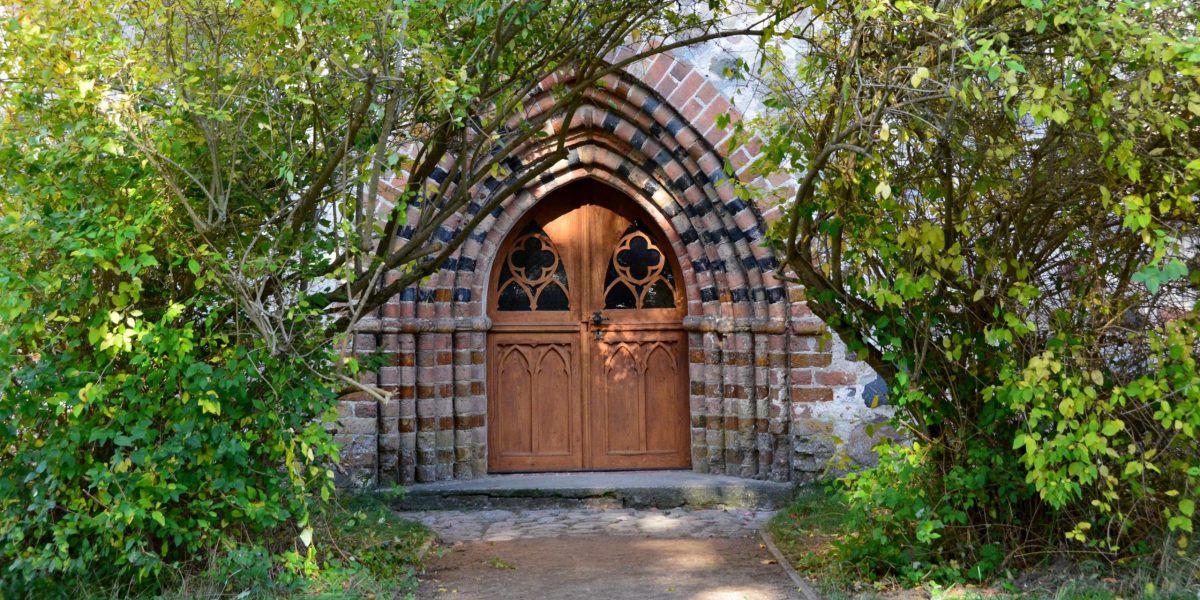
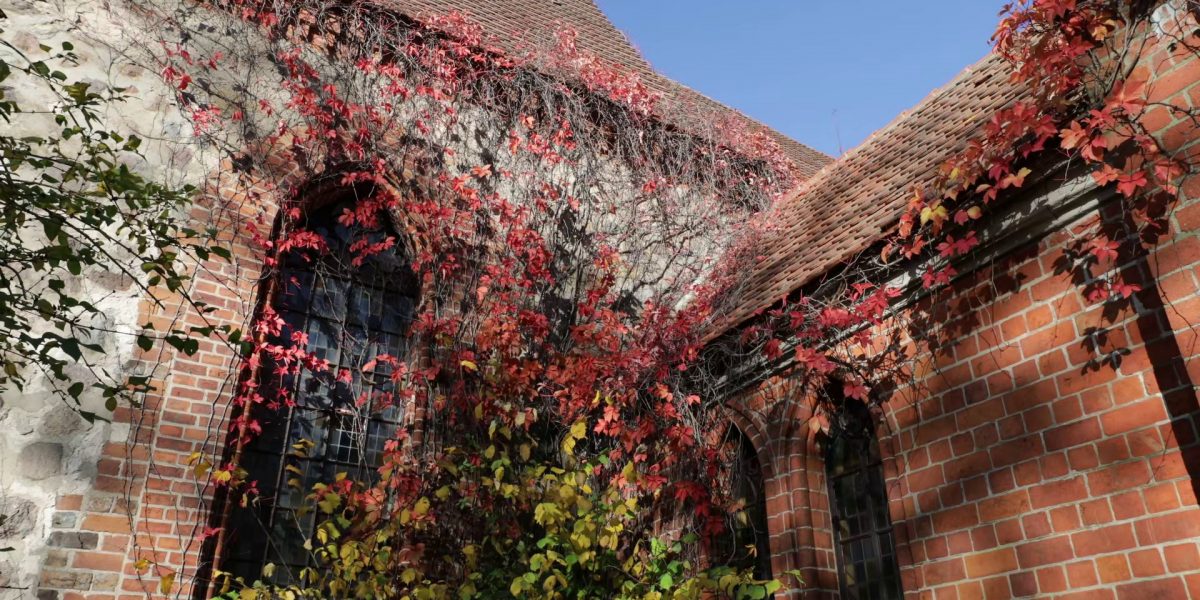
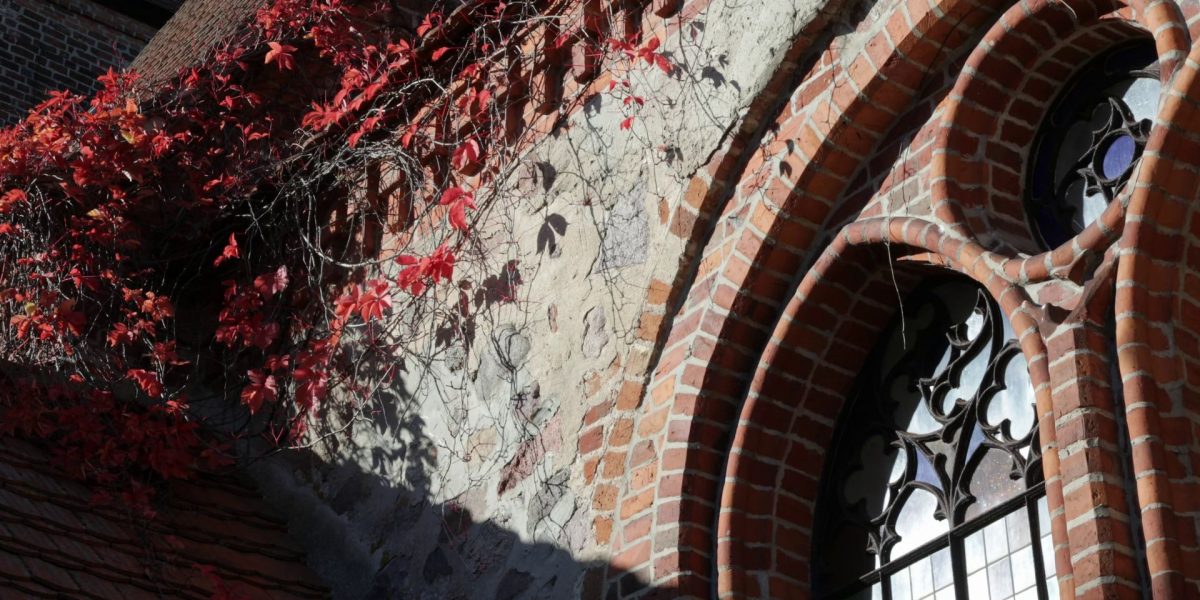
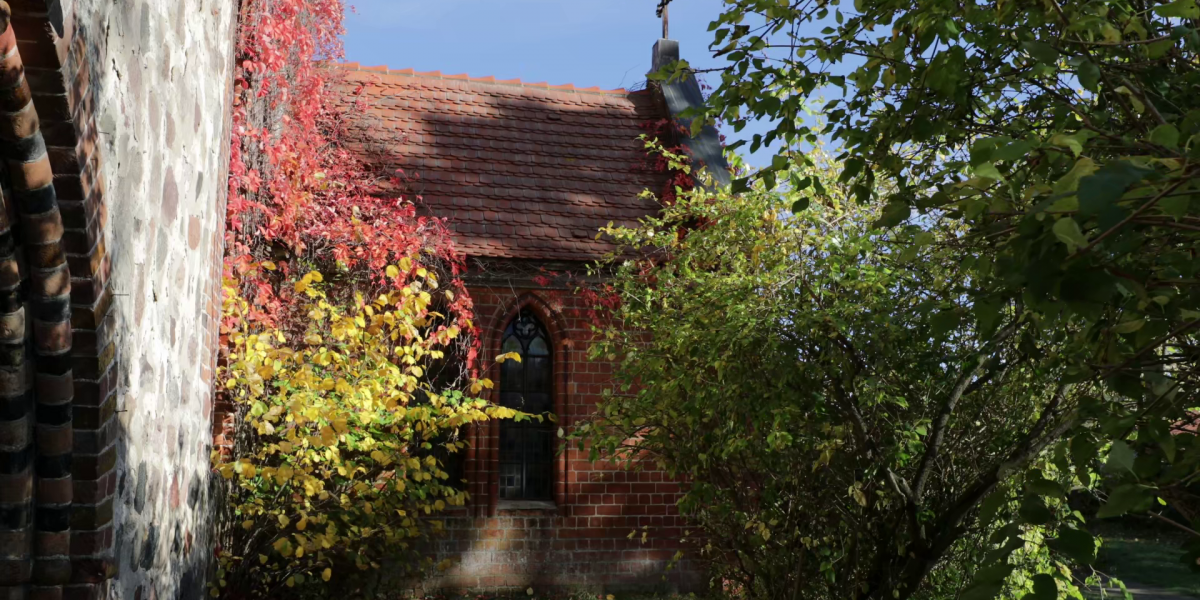
A number of building elements, such as the square tower, the portal porch and the use of bricks on windows and portals, indicate Westphalian influences.
Church tower
The church tower was probably added during a second construction phase in the mid-13th century. The vault must have collapsed between 1662 and 1682. The church roof was missing and the tower was dilapidated. In 1692, Ernst Christoph von Voß took over the Gievitz estate. As patron of the church, he initiated a comprehensive renovation of the building. The tower is now connected to the west wall by an iron band.
Bell with incorrect inscription
There were originally three bells in the tower. The two smaller ones were removed in 1917 for war purposes and probably melted down. The oldest and largest of the bronze bells has been preserved. It bears the (incorrect) Latin inscription „O REX GLORICE VENI COM PACE“ (correct: O rex gloriae, Christe, veni cum pace“, in English: „O King of Glory, Christ, come with peace“). The bell founder used a template for this, but could neither read nor write himself. As a result, he made mistakes when engraving the letters into the clay coating.
Apostle Peter
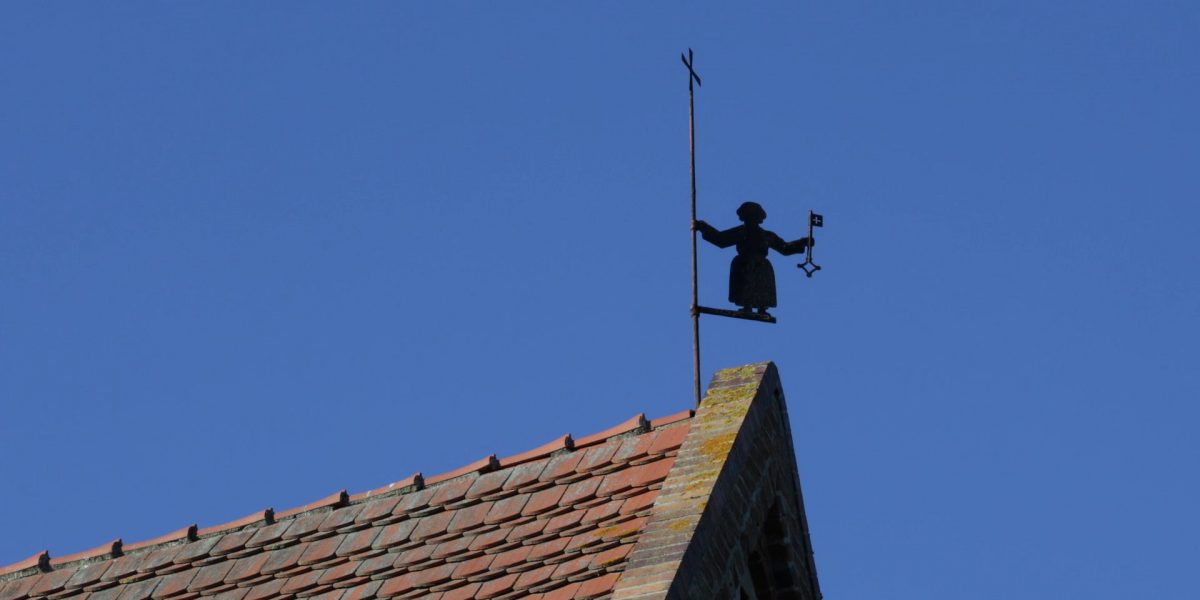
There are several indications that the church was originally dedicated to Peter. The church seal shows two crossed keys, an attribute of Peter (according to Matthew 16:19: „I will give you the keys of the kingdom of heaven …“). The weather vane on the church also depicts the apostle.
Inventory
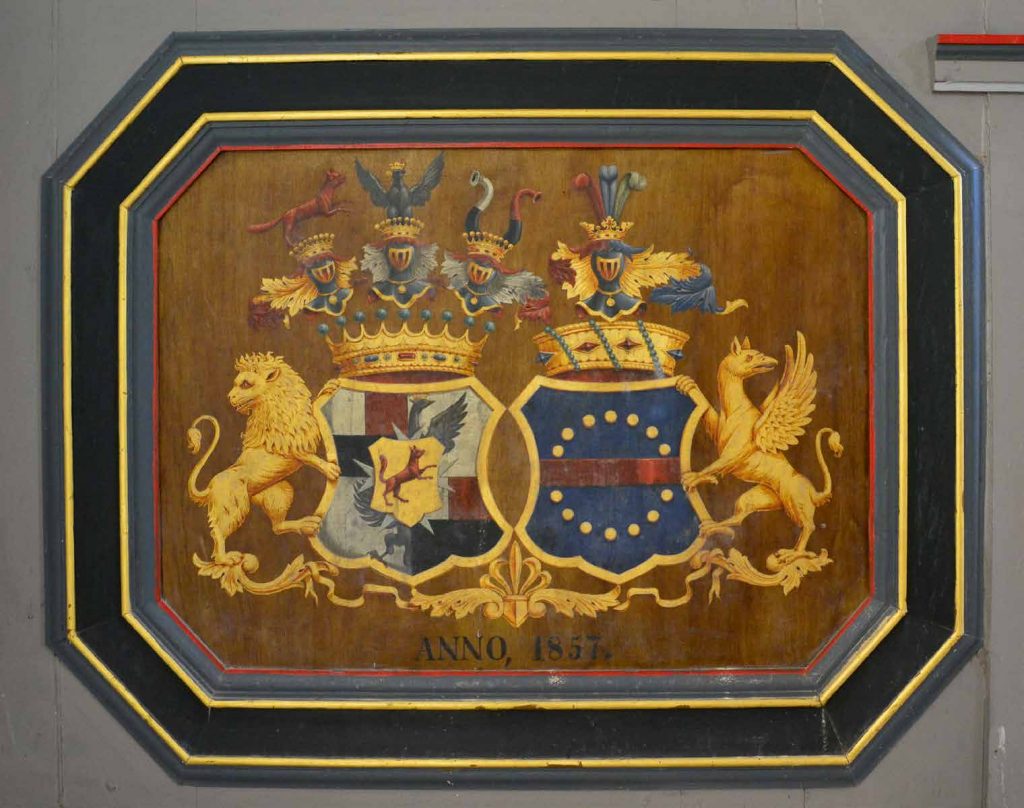
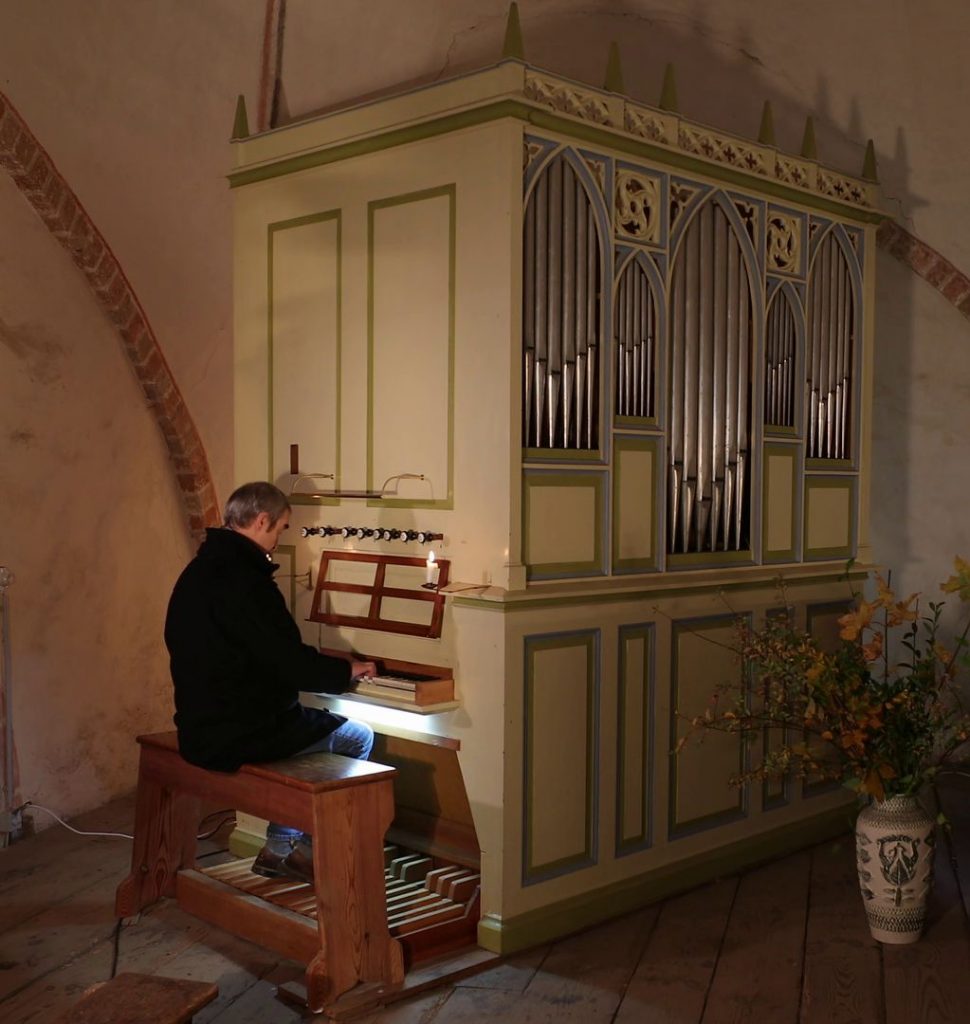
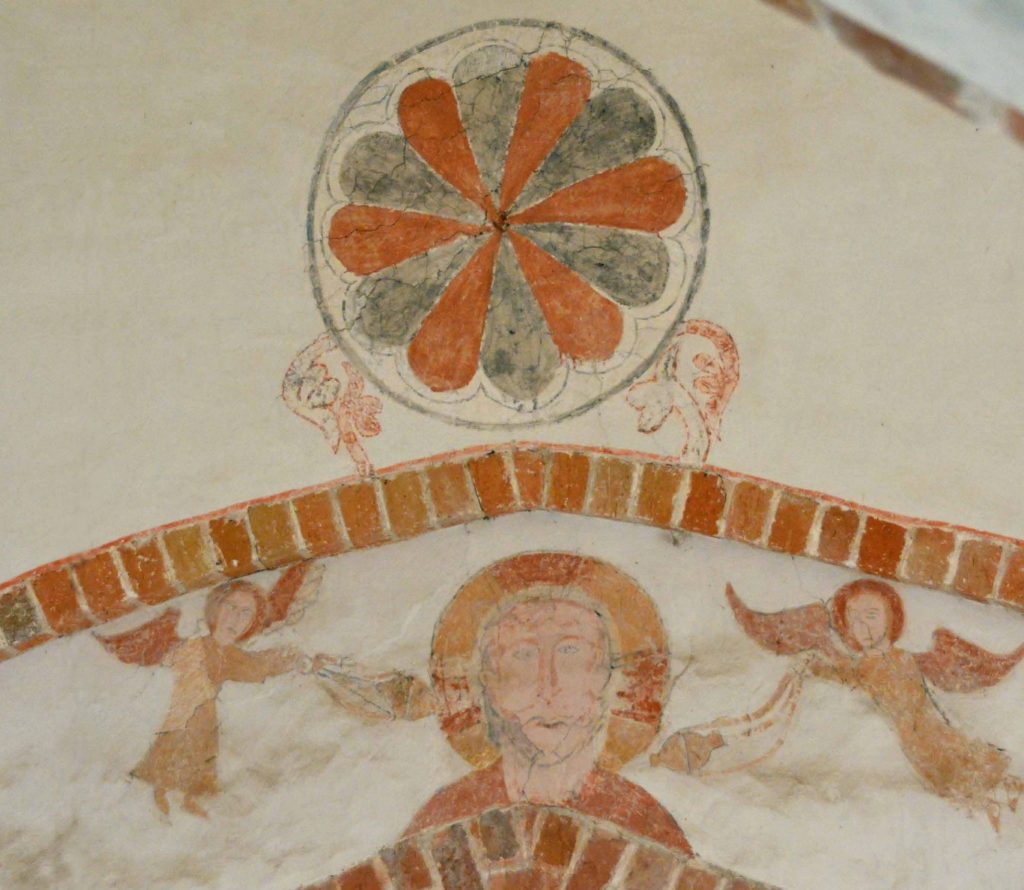
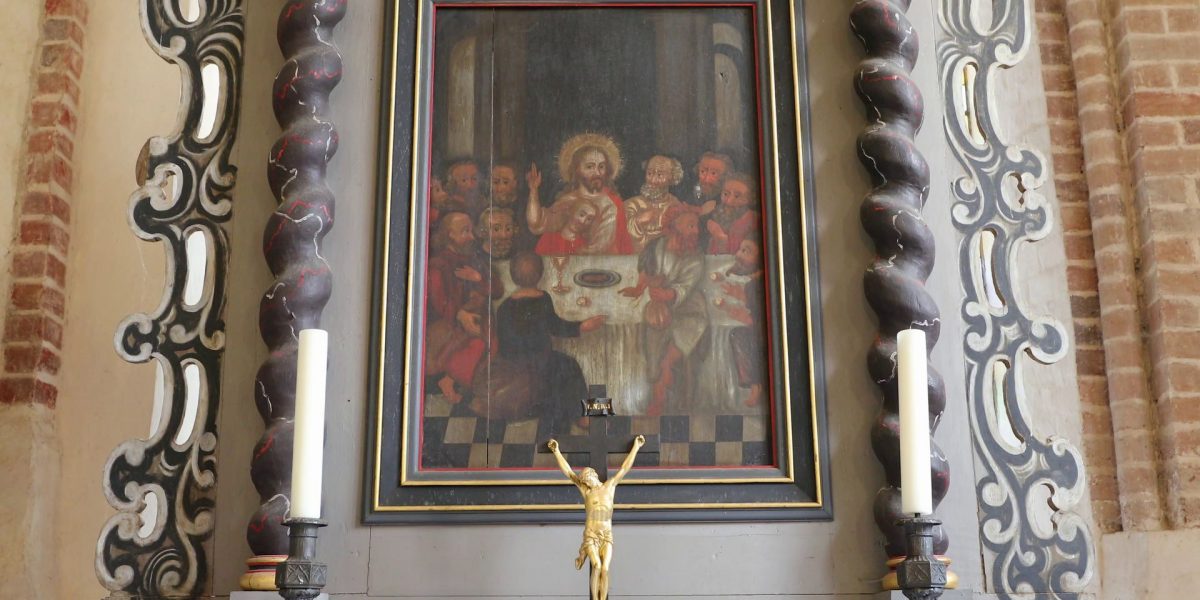
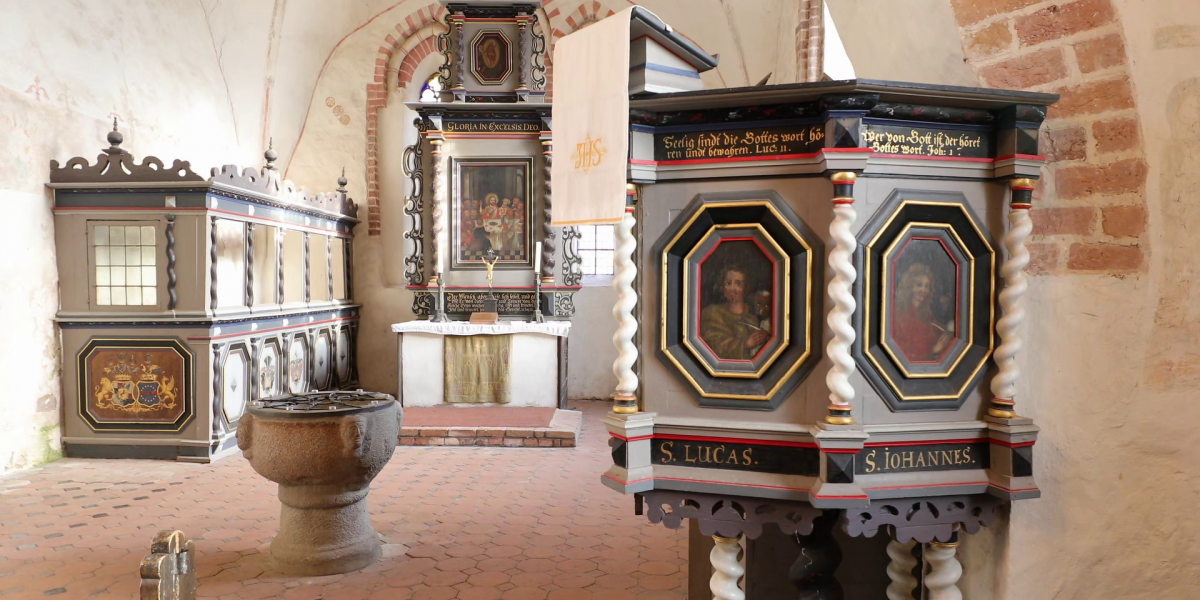
This church is filled with interesting furnishings and boasts impressive murals from the period of its construction, which were uncovered in 1964. A visit is definitely worth it!
You can get to know our church better in a short film produced in 2022. Here, among others, Mrs. Wera Bollmann explains many details of the church’s exciting history: